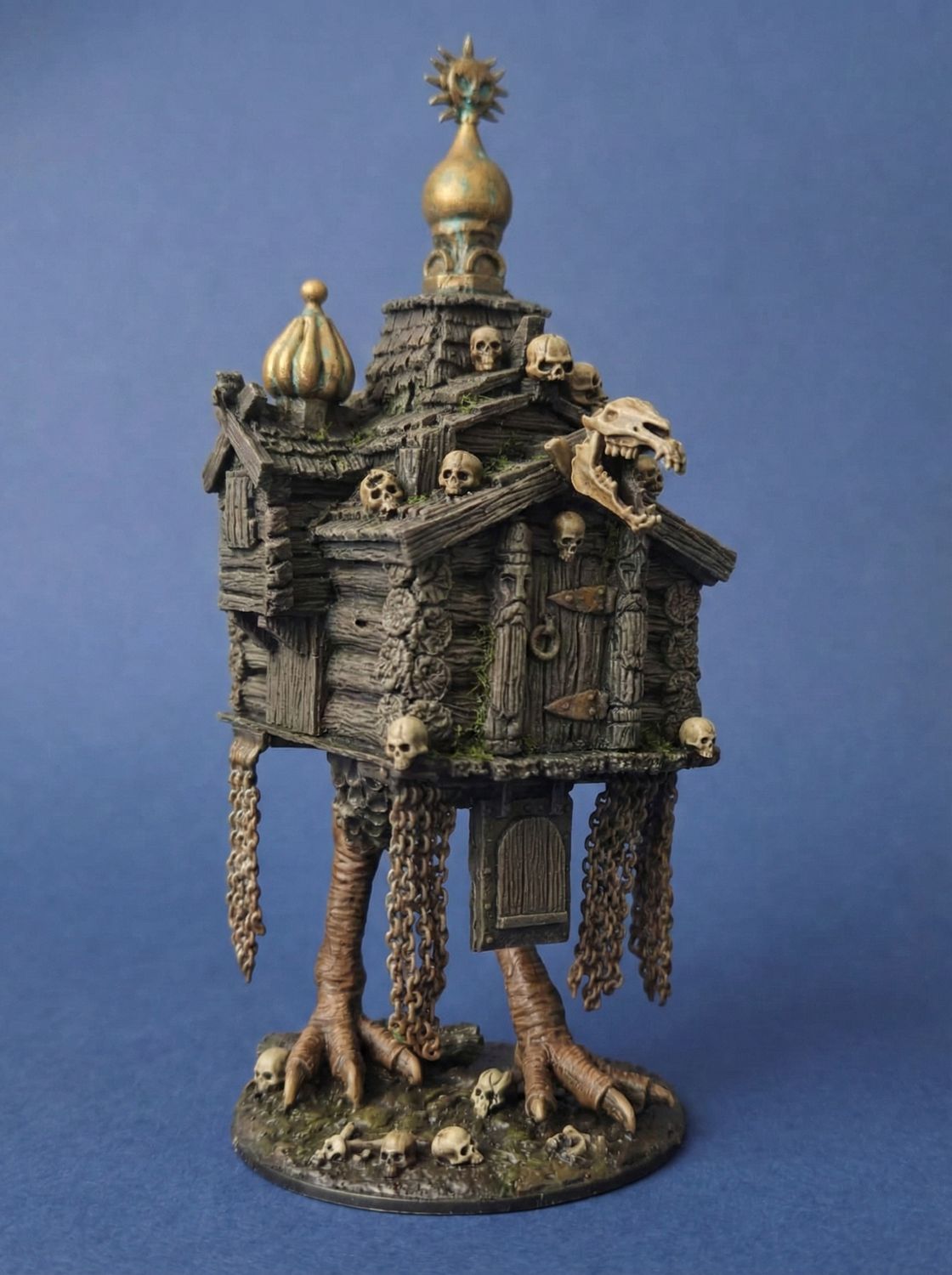
The Kingdom of Perm. Baba Yaga's Hut.
29,00 €
In stock
Product Details
Resin miniature, 25 parts. Miniatures are not assembled and not painted.
Join my Facebook group "Trench Crusade. Kingdom of Perm" https://www.facebook.com/groups/721858790460656
1) The Kingdom of Perm is a pagan land on the edge of the Great War, where power is upheld by ancient gods, idols, and sacred groves.
To the locals, the Meta-Christ is not a holy center but a contender trying to take the place of their gods. Here, the war of “Hell and Heaven” is seen as a struggle for the legacy of forces that existed before either side.
The warriors of the Kingdom of Perm are mercenaries in the world of Trench Crusade—but they will never march against Novgorod. An old Blood Pact binds them.
2) Baba Yaga and the Izbushka — who they are in the lore
Baba Yaga is a witch-node, a bearer of primordial power. In this lore she is tied to Mora (Baba Yaga is Mora’s daughter), and the “Artillery Witch” reads as Mora’s imprint—a golem or cast of her essence—which is why she has “no face.” (I’ll tell the origin of the Artillery Witches in a separate post.)
The Izbushka is not a house but a walking relic, a living vessel: the physical shell of Baba Yaga’s presence and the faction’s moving “center of gravity.”
3) What they do on the battlefield (very briefly)
Autonomous units: the warbands are not “tethered” to the Izbushka; they operate independently.
Idols (power markers): at times, idols are placed on the board—sacral markers and points of influence through which the faction tightens its control of space.
Portals and redeployment (Baba Yaga’s signature trick): once per round, Baba Yaga can teleport herself and the Izbushka 15–20 inches. The price is a risk of harm to Baba Yaga if she fails a Will test. She can also redeploy a small infantry unit—but the “fast road” is never free: on arrival, the troops may be stunned as the gods take their due for bending the world’s proper order.
#TrenchCrusade
Save this product for later
The Kingdom of Perm. Baba Yaga's Hut.
You May Also Like
On Sale
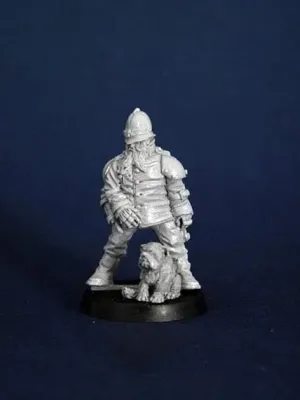
Medic. Praetorian Guard (proxy). Imperial Guard.
Medic. Praetorian Guard (proxy). Imperial Guard.
было 6,00 €
Save 8%
5,50 €
Lowest price in 30 days: 29,00 €
Display prices in:EUR